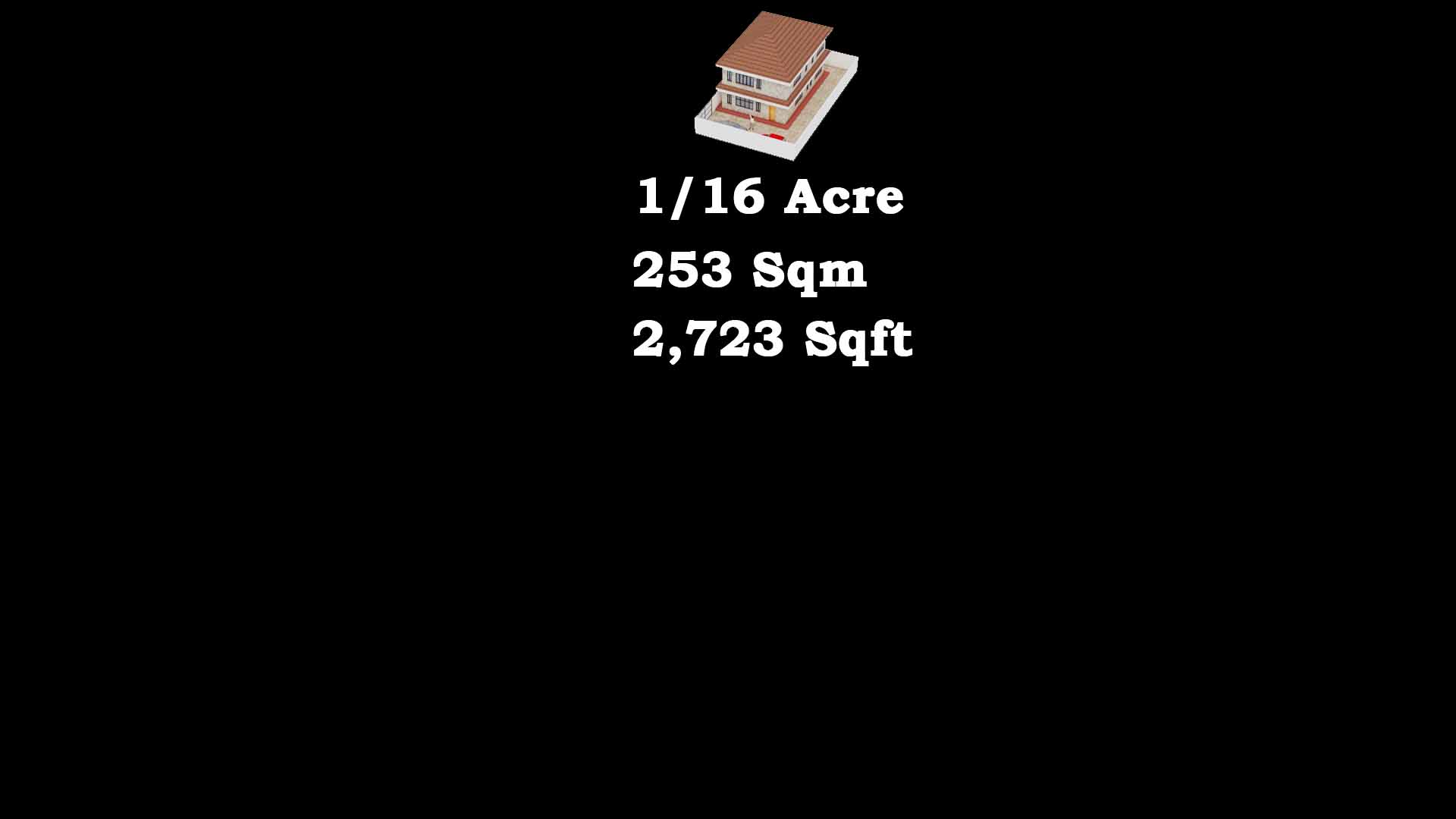
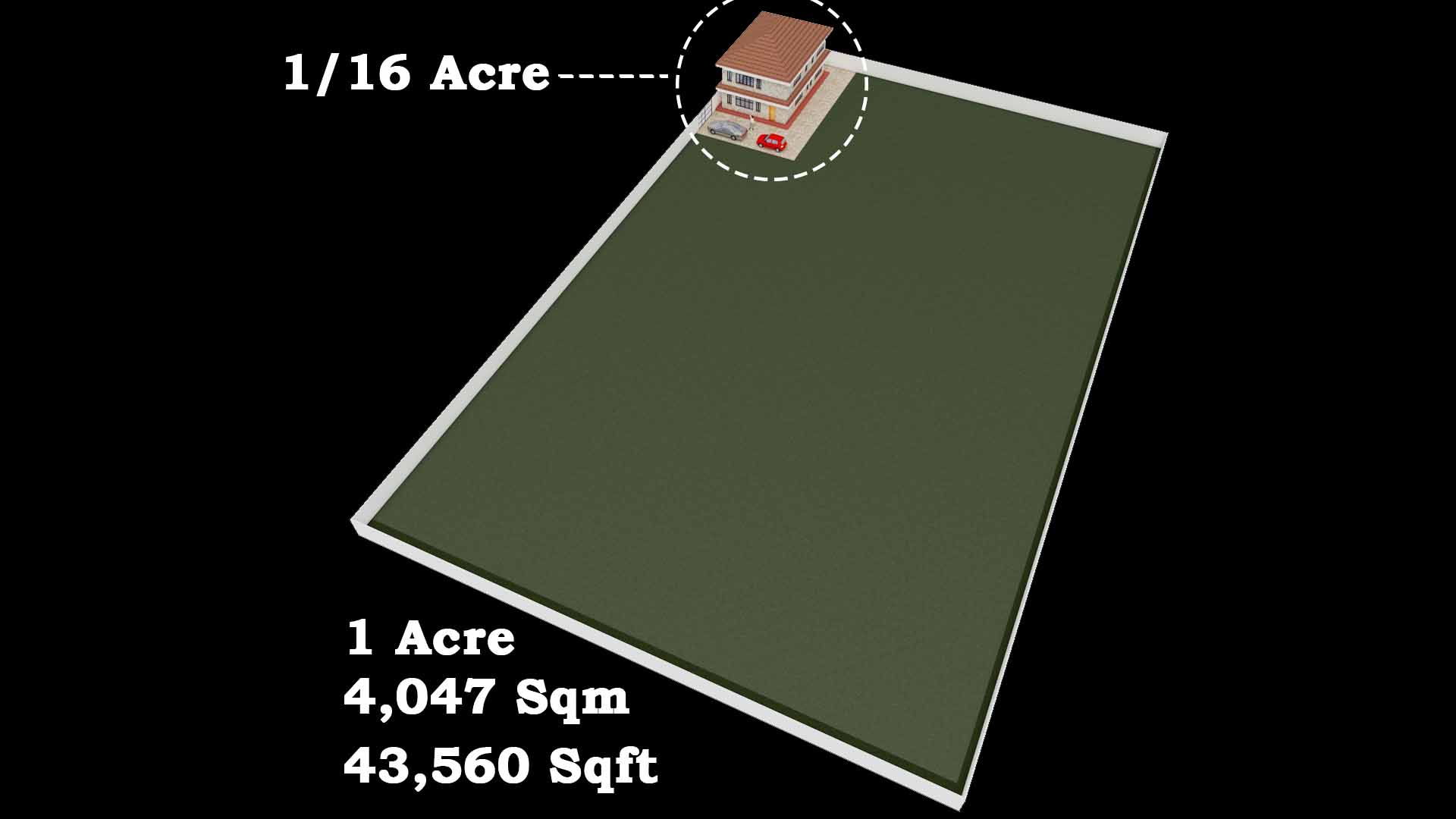
Land size is a factor which should be considered before developing.
Land size is an important factor to consider before developing a property. It affects not only what can physically fit on the site, but also whether the proposed development can comply with planning and building requirements.
Thank you for reading this post, don't forget to subscribe!Key considerations include:
-
Permitted plot coverage – how much of the land can be occupied by the building.
-
Plot ratio/FAR – determines the allowable total floor area in relation to the land area.
-
Building setbacks – required distances from boundaries and roads.
-
Parking requirements – the site must have sufficient space for the required parking.
-
Access and circulation – vehicles, pedestrians and emergency access need adequate space.
-
Open space/landscaping – some developments require a proportion of the site to remain open.
-
Drainage and utilities – space may be needed for septic tanks, soakaways, stormwater systems, water tanks, etc.
-
Number of units – particularly important for apartments, where a small plot can become overcrowded if too many units are proposed.
-
Planning/zoning controls – the allowable development depends on the specific zone and local authority requirements.
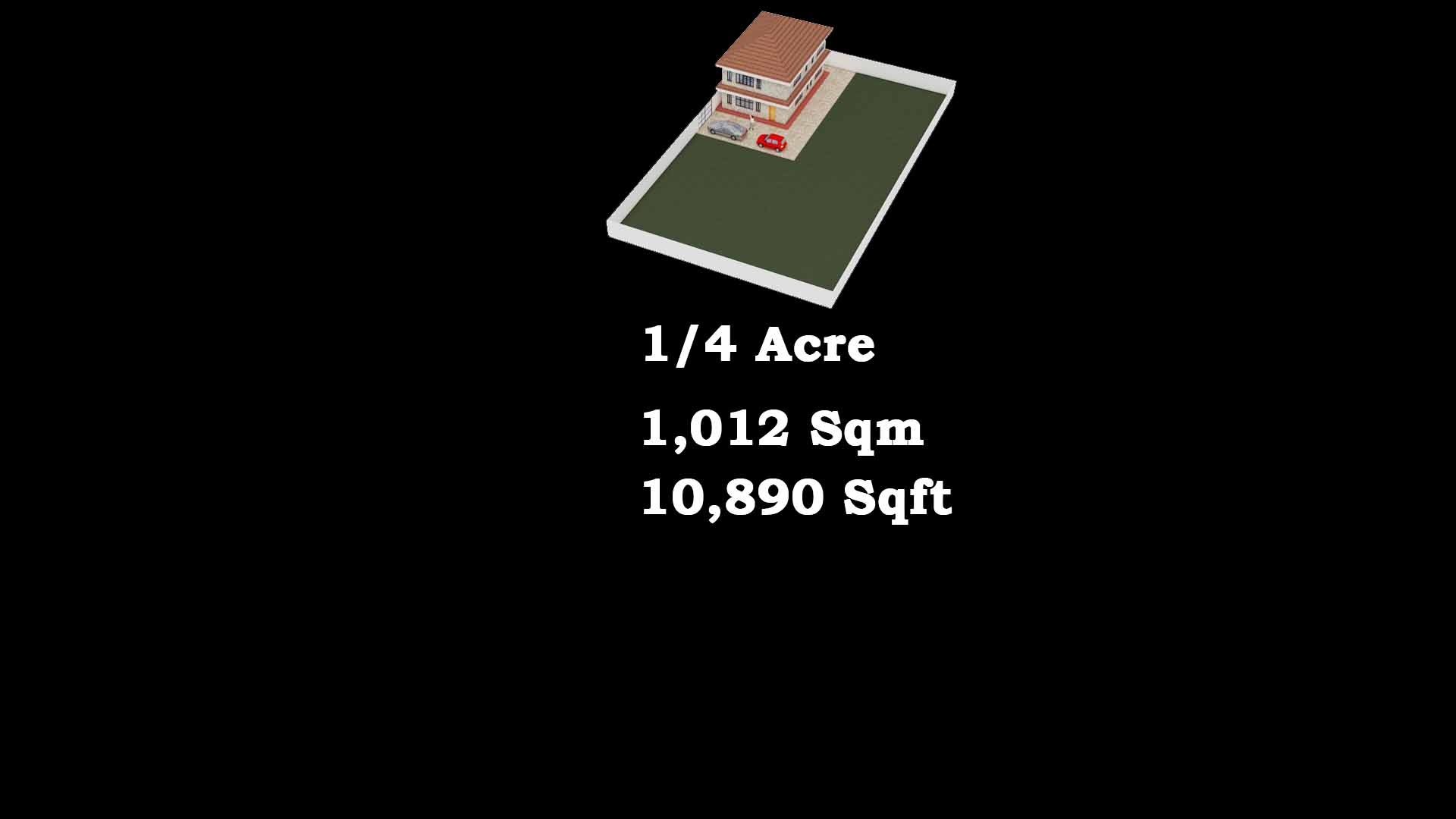
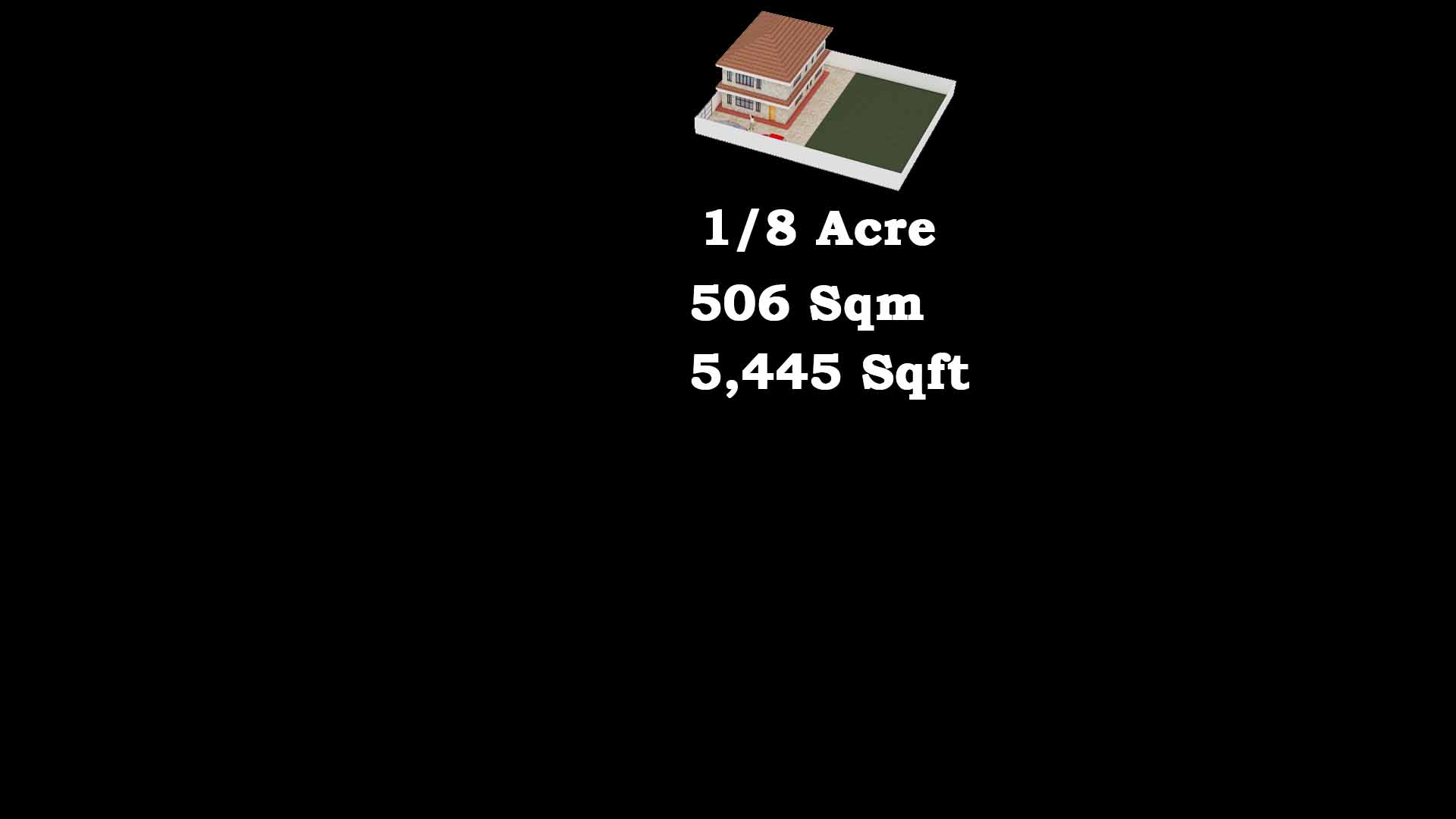
For example, a 1/8-acre plot (~506 m²) and a 1/4-acre plot (~1,012 m²) may have very different development potential even if they are in the same neighbourhood.
For an architect, I would establish the plot size, dimensions, road frontage, zoning, setbacks, coverage, plot ratio, parking and access requirements before starting the design. This prevents designing a building that later cannot obtain approval.
1 Acre
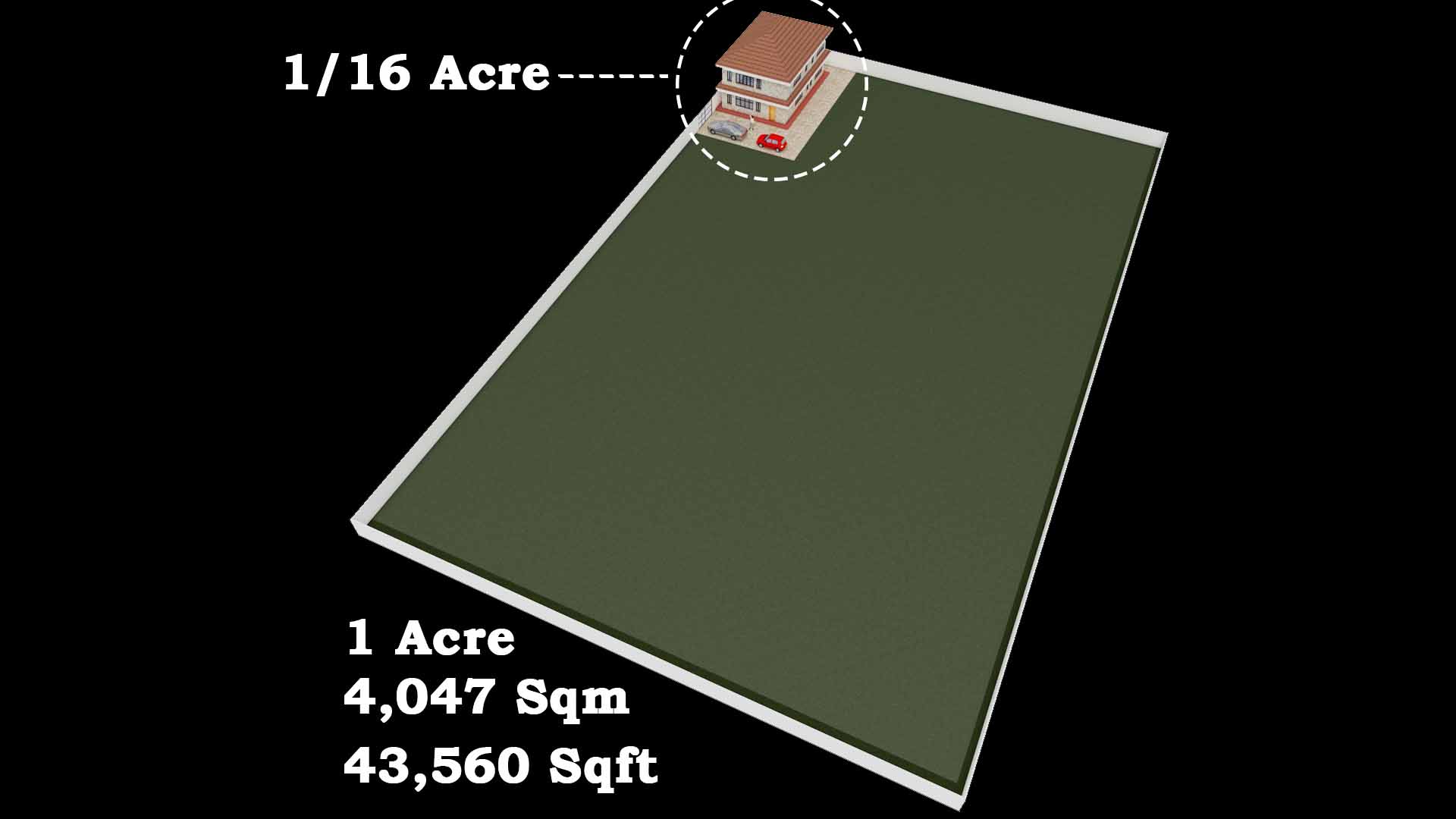
1/2 Acre
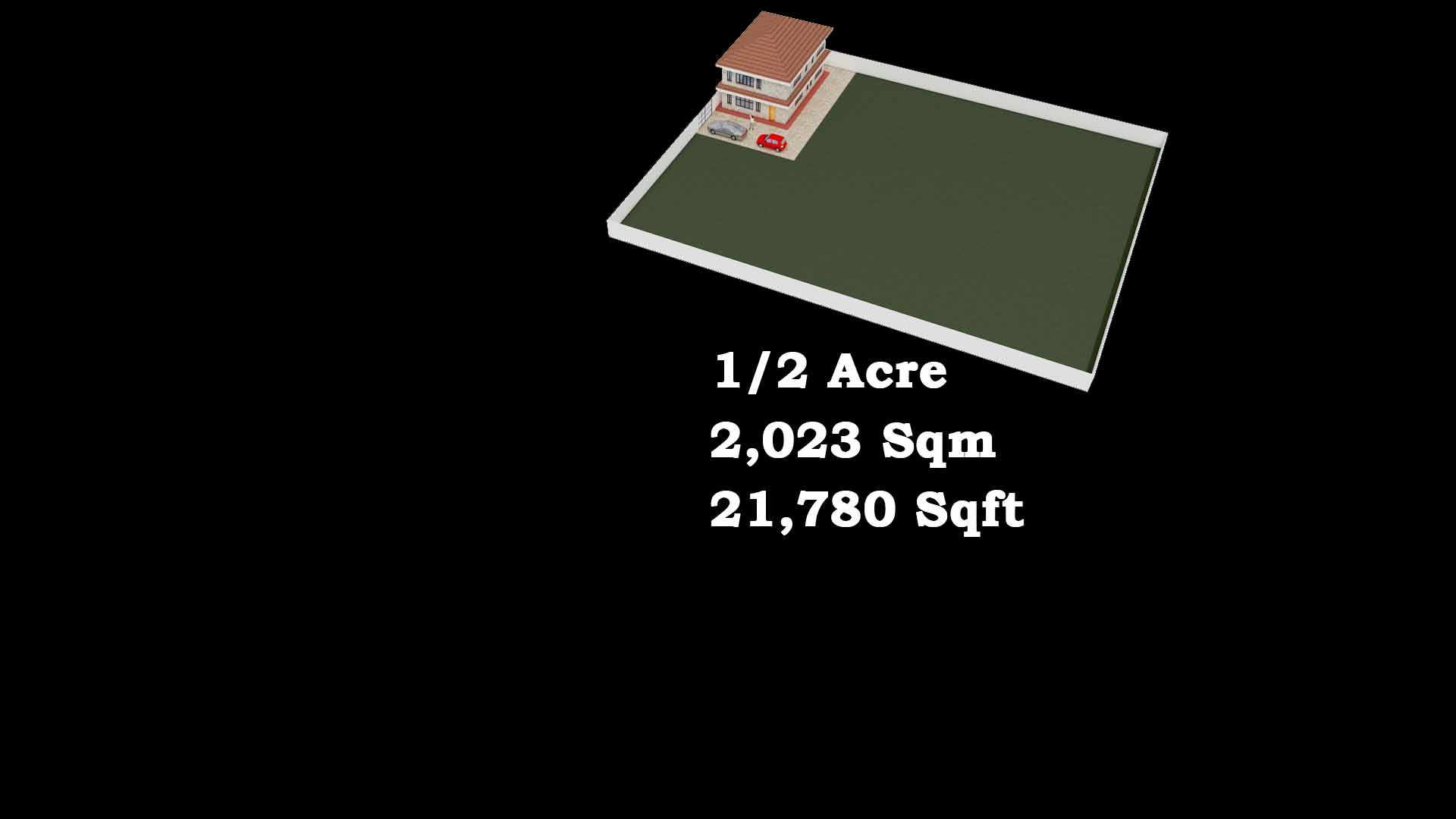
1/4 Acre
1/8 Acre
1/16 Acre