
Thank you for reading this post, don't forget to subscribe!
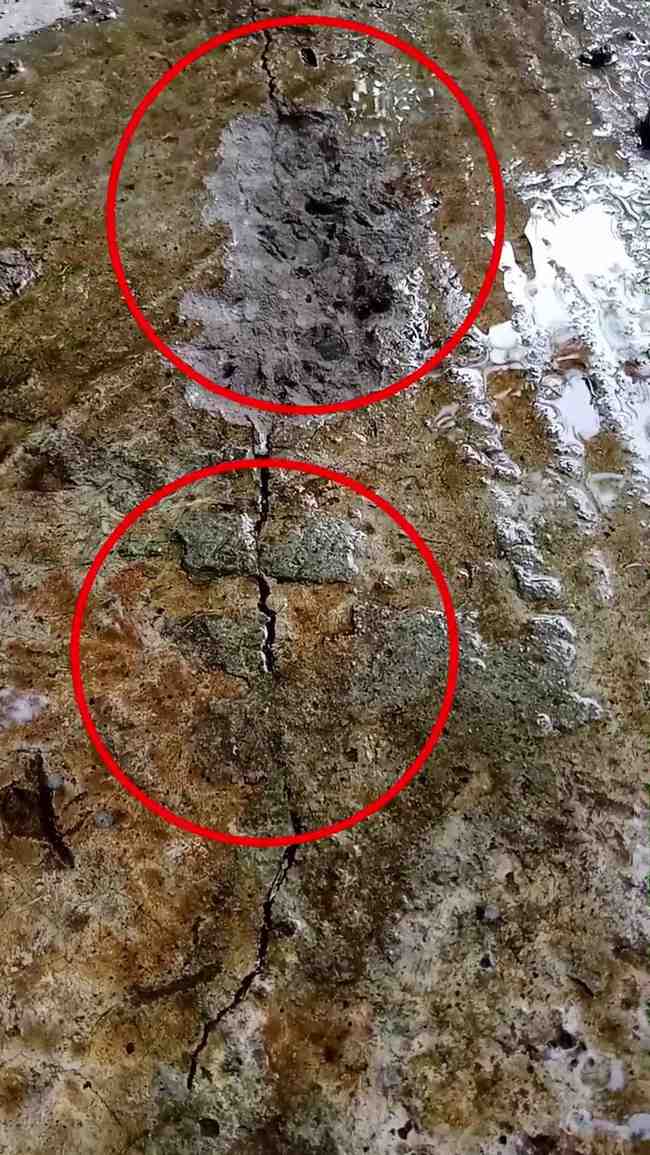
How small cracks in your slab can lead to structural failure.
https://youtu.be/1o6p5pPBPIA?si=tBB1NuAwjVoAKptu
Here’s a professional and technically accurate version you can use for a social media post, blog, or video narration:
Small cracks in a concrete slab may appear harmless, but they can become a serious structural problem if left untreated. When rainwater or moisture penetrates these cracks, it reaches the reinforcing steel (rebars) embedded inside the concrete.
Steel reinforcement is normally protected by the highly alkaline concrete surrounding it. However, prolonged exposure to water, especially when it carries oxygen, chlorides, or other contaminants, can break down this protective environment and cause the steel to rust.
Rust occupies a much greater volume than the original steel. As the reinforcement expands, it exerts pressure on the surrounding concrete, causing more cracking, delamination, and eventually spalling (pieces of concrete breaking away).
As corrosion continues, the rebars lose cross-sectional area and therefore strength. This reduces the slab’s ability to safely carry loads, leading to excessive deflection, wider cracks, and, in severe cases, partial or complete structural collapse.
Early detection and repair of concrete cracks, proper waterproofing, and regular maintenance are essential to extend the life and safety of reinforced concrete structures.
This explanation is technically sound while avoiding the implication that every small crack will inevitably lead to collapse. Many small cracks are non-structural (such as shrinkage cracks), but they should still be inspected to determine whether repair is necessary.
